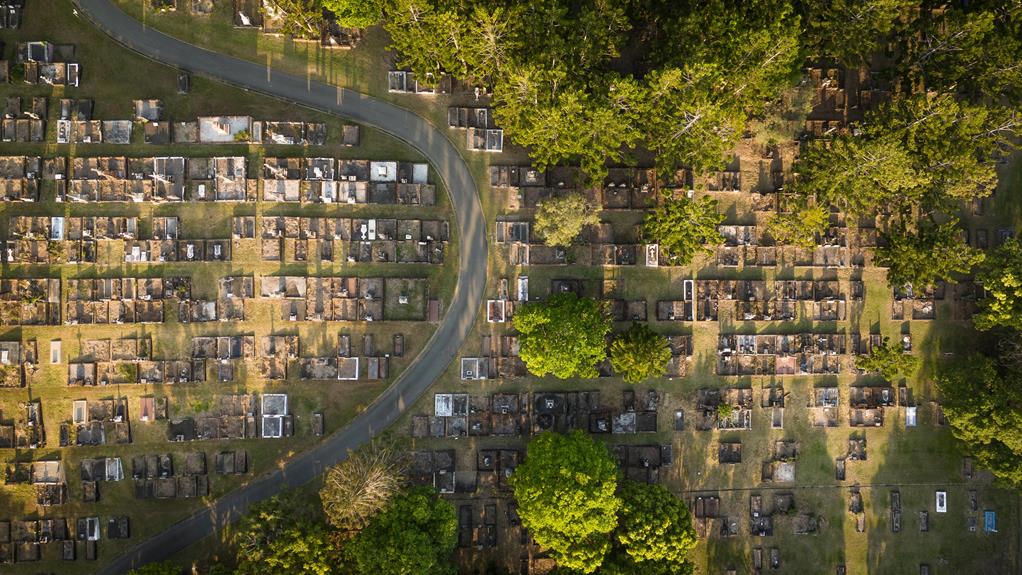
When you think about grave crosses, you're stepping into a world rich with cultural and spiritual meanings. These crosses aren't just markers; they're symbols of remembrance, hope, and the promise of eternal life. Crafted from materials like wood and metal, each cross tells a unique story, reflecting personal significance and historical heritage. But what do these designs truly signify, and how have they evolved over time? The answers might surprise you, revealing deeper connections between past and present, and the ways communities honor their deceased.
Types of Grave Crosses
Over centuries, the design and symbolism of grave crosses have evolved, reflecting cultural, religious, and artistic shifts. When choosing a grave cross, you'll find that wooden crosses are a timeless option. They symbolize humility, simplicity, and a return to nature. Many cultures and religious traditions favor wooden crosses for their natural beauty and historical significance.

Primary sources indicate that early Christian communities often used wooden crosses to mark graves, emphasizing the connection to Christ's crucifixion.
On the other hand, metal crosses offer durability and a different aesthetic appeal. They can be crafted from materials like iron, brass, or stainless steel, each bringing unique qualities to the memorial.
Metal crosses are less susceptible to decay, making them a lasting tribute. Historical records show that during the industrial revolution, the use of metal crosses became more prevalent due to advancements in metalworking.
These crosses can also be intricately designed, incorporating various symbols and motifs, reflecting the deceased's life or beliefs.
Historical Evolution
Witnessing the transformation of grave crosses through history reveals a fascinating journey shaped by cultural, religious, and technological influences.
As you explore this topic, you'll uncover how early burial practices incorporated simple wooden crosses to mark graves. These rudimentary cross designs reflected the humble materials available and the community's spiritual beliefs.
In medieval Europe, cross design became more intricate, with stone and metal materials symbolizing eternal life and the resurrection. Historical records and primary sources from this period show artisans crafting elaborate crosses adorned with religious iconography.
These changes in burial practices were driven by the Church's growing influence, aiming to honor the deceased and inspire the living.
The Industrial Revolution brought further evolution. Innovations in metalworking and mass production enabled the widespread use of cast iron crosses.
These durable markers were often customized with personal inscriptions and symbols, reflecting the deceased's life and faith.
Cultural Significance
Understanding the cultural significance of grave crosses reveals their role as more than mere markers of death. They're deeply woven into the fabric of cultural rituals and mourning practices, reflecting a community's collective beliefs, values, and traditions.
When you examine different societies, you'll find that grave crosses often serve as a focal point for communal mourning and remembrance ceremonies. These crosses aren't just symbols; they're participants in the rituals that help the living honor and connect with the deceased.

Additionally, many traditions incorporate specific funeral flowers and wreath shapes to enhance the symbolism of the grave site, adding layers of meaning to these significant markers.
Primary sources, such as historical texts and ethnographic studies, show that grave crosses can be integral to various rites. In Christian communities, for example, the cross on a grave can signify hope in resurrection, offering solace to grieving families.
In Eastern European traditions, grave crosses might be adorned with intricate carvings and personal items, turning the site into a space for ongoing dialogue between the living and the dead.
Materials and Craftsmanship
While the cultural significance of grave crosses gives them a profound role in mourning rituals, the materials and craftsmanship behind these markers are equally telling of a community's values and artistic heritage.
When you examine a grave cross, you're not just looking at a memorial; you're seeing the choices and skills that reflect the dedication of those who created it.
Wood selection is essential, as the type of wood used often depends on local availability and its symbolic meanings. For example, oak is chosen for its strength and longevity, while cedar might be preferred for its resistance to decay and association with eternal life.
Artisans meticulously select and carve these woods, ensuring each cross stands as an indication of both the deceased and the craftsman's skill.
Metal durability is another key factor. In regions where metalworking is a traditional craft, iron and bronze crosses are common.
These materials aren't only resilient to weather but also allow for intricate designs that can last centuries. Blacksmiths and metalworkers use techniques passed down through generations, providing an enduring legacy of both the departed and the community's artisanal heritage.
Symbolic Meanings
Symbolic meanings behind grave crosses are rich and varied, deeply rooted in religious, cultural, and historical contexts. When you place a cross on a grave, you're participating in a centuries-old tradition that serves as a potent faith expression.
Historically, crosses have symbolized the promise of eternal life and the hope of resurrection, core tenets in Christianity. This symbol extends beyond religion, embracing universal themes of love, sacrifice, and redemption. Much like the unique arrangements of funeral flowers, crosses can be tailored to reflect the essence of the deceased.
Grave crosses also play a vital role in mourning rituals. They act as a poignant reminder of the deceased's spiritual journey and their connection with the divine. You might find that these crosses provide comfort to the bereaved, offering a tangible focus for their grief and prayers.
Crosses made from different materials or adorned with specific inscriptions can reflect personal beliefs and cultural heritage, adding another layer of meaning.
Primary sources, such as historical gravestones and religious texts, reveal that crosses have been used by various cultures to signify not just death, but the continuation of life in another dimension.
When you understand these symbolic meanings, you're better equipped to appreciate the profound impact grave crosses can have on those mourning a loss.
Conclusion
In exploring grave crosses, you've journeyed through history's tapestry, woven with cultural threads and spiritual beliefs. These symbols, crafted with care, stand as bridges between the earthly and the divine, whispering stories of eternal hope and remembrance. Whether they're simple wood or ornate metal, each cross holds a universe of meaning, connecting us to our ancestors and their enduring legacies. So, next time you see one, remember, it's more than just a marker—it's a tribute to lives once lived.