A memorial service honors and celebrates the life of a deceased loved one, providing a space where you can collectively mourn and heal emotionally. Unlike funerals, memorial services typically don't have the body present, allowing for greater flexibility and personalization. You'll often experience eulogies, music, moments of silence, and photo displays, all tailored to reflect the individual's unique life. These services aren't just about mourning; they're about fostering a sense of community and connection among those who attend. By understanding a few key elements and customs, you can craft a heartfelt and meaningful tribute.
Definition and Purpose

A memorial service is a gathering held to honor and remember someone who's passed away. It's a time for family, friends, and loved ones to come together and celebrate the life of the deceased.

You'll find that the significance of a memorial service lies in its ability to provide a space for collective mourning and emotional healing. By sharing stories, memories, and tributes, attendees can find solace and support during a difficult time. This communal event can also include specific funeral planning essentials to guarantee everything is thoughtfully arranged.
The purpose of a memorial service extends beyond just remembering the deceased. It fosters a sense of community and connection among those who are grieving. You can help create an environment where people feel comfortable expressing their emotions and finding comfort in one another's presence.
This communal support is invaluable for emotional healing and moving forward after a loss.
Memorial services can be tailored to reflect the individuality of the person who's passed. Whether it's through music, readings, or personal anecdotes, each element can be chosen to highlight their unique life and the impact they'd on others.
Key Differences From Funerals
Unlike funerals, memorial services are typically held without the presence of the deceased's body. This distinction allows for greater flexibility in planning and personalizing the event. You can focus on celebrating the life of the departed through various memorial themes, which can include anything from favorite hobbies to cherished memories.
This personalization helps create a meaningful experience for everyone involved, fostering a sense of connection and remembrance. Additionally, unique arrangements can enhance the memorial experience, as they capture the essence of the deceased through specific requests and tailored tributes.
Another key difference is the service length. Memorial services often have a more relaxed and variable duration compared to traditional funerals. Without the constraints of a casket or burial schedule, you have the freedom to design a service that suits the needs and preferences of the family and friends.
Whether you opt for a brief gathering or an extended celebration, the emphasis remains on honoring the deceased's life and legacy.
Common Elements
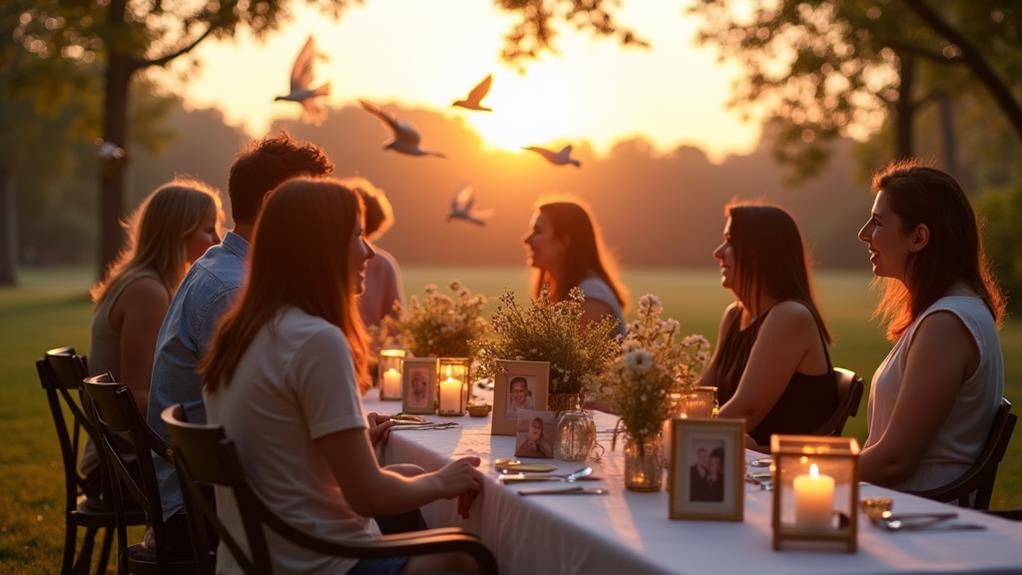
While memorial services offer the flexibility to honor the deceased in a personalized manner, certain elements remain commonly present across most gatherings.
You'll usually find a blend of memorial rituals and remembrance activities that provide comfort and allow attendees to share their memories and grief. If you're looking for assistance in crafting heartfelt eulogies and condolence messages, obituary writing services can provide the support you need.
Typically, there's a designated time for eulogies, where family and friends speak about the deceased's life and legacy. These heartfelt speeches serve as a cornerstone, offering solace and highlighting cherished moments.
Often, a moment of silence follows, giving everyone a chance to reflect and honor the memory of their loved one.
Music also plays a significant role. Whether it's a favorite song or a piece chosen for its emotional impact, music can evoke powerful emotions and foster a sense of togetherness.
You might also find photo displays or video montages that visually recount the deceased's life journey, allowing guests to engage in remembrance activities.

Candle-lighting ceremonies are another common element, symbolizing the ongoing light the deceased brought into the world.
These memorial rituals provide a tangible way for attendees to participate and pay their respects. By incorporating these elements, you guarantee a meaningful and compassionate farewell.
Personalization Ideas
Personalizing a memorial service can transform it into a deeply meaningful and unique tribute to your loved one. Start by creating photo displays and memory boards that showcase cherished moments. These visual elements can spark conversations and evoke shared memories among guests.
Crafting a tribute video is another powerful way to honor your loved one, incorporating personal anecdotes, favorite music, and clips that highlight their life's journey.
Consider themed decor that reflects their passions or hobbies. Whether it's a garden theme for an avid gardener or musical notes for a music lover, these touches can make the service feel truly personal. Playing their favorite music throughout the event can also provide comfort and evoke fond memories.
Interactive activities like memory-sharing circles or a guestbook where attendees can write down their favorite stories can foster a sense of community and shared grief. Guest involvement is essential; inviting family and friends to share personal anecdotes or read poems can add a layer of intimacy to the service.
Cultural Variations
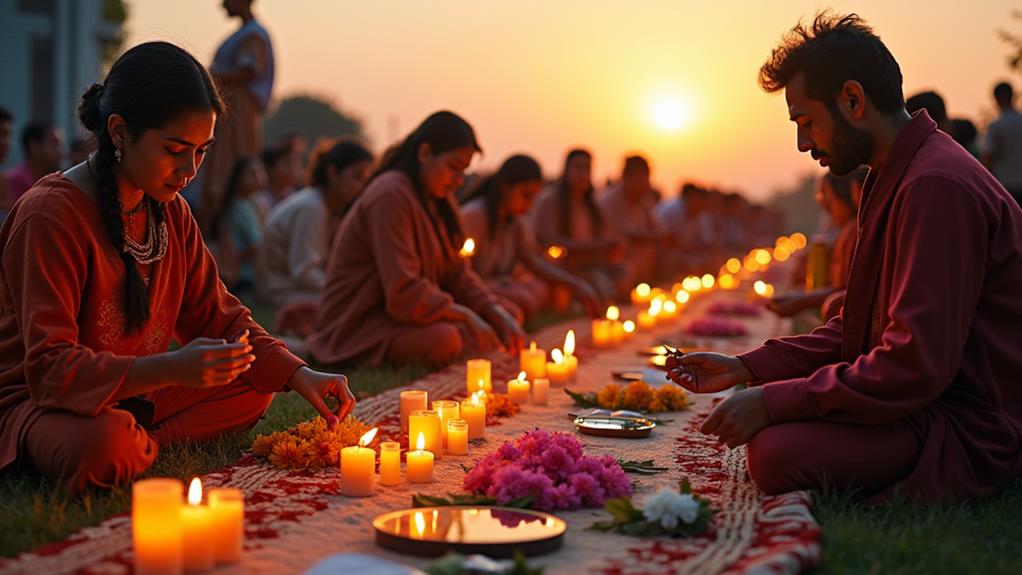
Across the globe, memorial services take on diverse forms, each influenced by cultural traditions and customs. Understanding these variations can help you serve others more compassionately and effectively.
In Western cultures, memorial traditions often involve solemn ceremonies with eulogies, music, and a display of the deceased's photographs. These services may be held in funeral homes, churches, or even outdoor settings, reflecting a blend of personal and cultural practices.
In contrast, Eastern cultures might emphasize rituals that honor ancestors. In Japan, for instance, it's customary to hold a Buddhist memorial service called "Hōji," involving prayers, offerings, and chanting by monks. The focus is on spiritual continuity and respect for the departed.
Similarly, in Mexico, the Day of the Dead (Día de los Muertos) is a vibrant celebration where families create altars adorned with marigolds, candles, and the deceased's favorite foods, merging festivity with remembrance.
African cultures often incorporate music and dance into their memorial services, viewing death as a change rather than an end. In Ghana, elaborate funerals can last several days, featuring processions and communal gatherings.
Planning Tips
When planning a memorial service, you'll want to focus on both logistical details and emotional elements to create a meaningful tribute. Start by setting a budget to guarantee you can manage costs without added stress. Budget considerations might include venue rental, catering, floral arrangements, and any multimedia presentations.
Prioritize these elements based on what you believe will best honor the deceased.
Next, create a guest list and send out guest invitations. Consider using both digital and printed invitations to accommodate different preferences. Be mindful of your budget considerations when determining the number of guests.
Keep the invitations clear and respectful, providing details such as the date, time, location, and dress code of the service.
Logistics are important, but don't overlook the emotional aspects. Plan heartfelt readings, music, and personal anecdotes that reflect the life and personality of the deceased.
Engage family and friends in the planning process to make the service more personal and inclusive.
Conclusion
In planning a memorial service, you'll find it's a unique way to honor a loved one's memory. Coincidentally, just as you're personalizing elements like music and readings, you're also creating a space for healing and reflection. Remember, each cultural variation adds its own layer of depth and meaning. By focusing on these details, you'll craft a service that not only pays tribute but also brings comfort to those who gather to remember and celebrate a life well-lived.