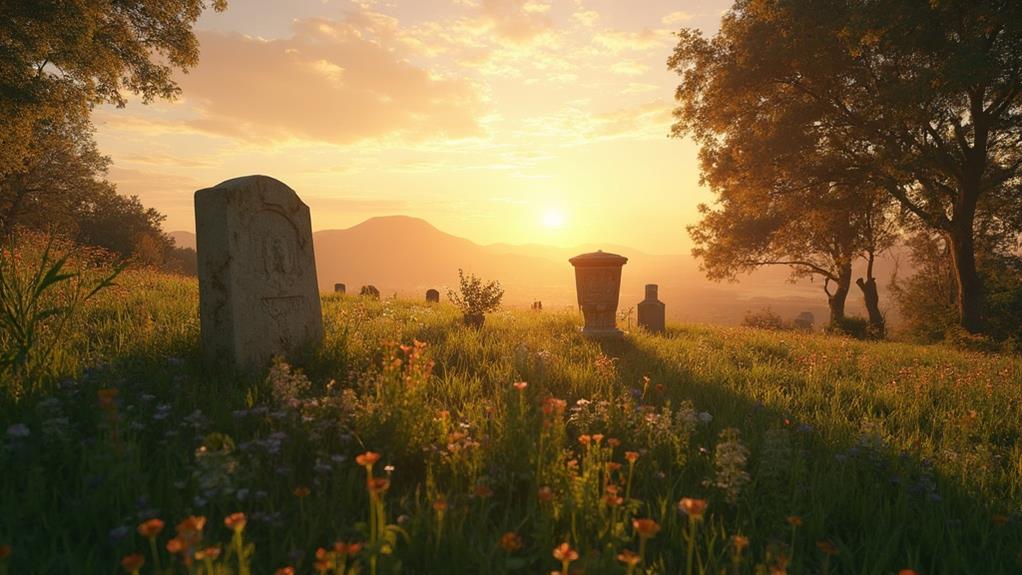
You have various options when planning a funeral service to honor your loved one. Traditional funerals provide solemnity and align with cultural practices. Memorial services celebrate life without the body present, often featuring eulogies and cherished photos. Graveside services offer a serene, intimate goodbye at the burial site. Direct burials are simple and cost-effective, while cremation services provide flexible memorialization choices. Green funerals emphasize eco-friendly practices like biodegradable caskets. Each type is designed to respect your loved one's wishes and offer comfort. To understand the nuances and benefits of each, take a closer look.
Traditional Funeral Service

A traditional funeral service embodies the reverence and solemnity that many families seek during their time of grief. When you assist in planning such a service, you provide a structured and comforting environment for loved ones to say their final goodbyes.

One key benefit of pre-planning a traditional funeral is the relief it offers families by reducing the stress of making arrangements during an emotional period. This foresight guarantees that the service aligns with the deceased's wishes and cultural values, providing a personalized and meaningful tribute.
Additionally, families can benefit from the extensive grief support and guidance offered, which includes resources for coping with loss and tips for writing obituaries and eulogies.
Understanding cultural variations is vital in delivering a respectful traditional funeral service. Different cultures have unique rituals and customs that need to be honored. For instance, some cultures emphasize specific religious rites, while others may focus more on familial traditions.
By being aware of these differences, you can cater to the diverse needs of the families you serve, guaranteeing that every detail reflects their beliefs and practices.
In your role, showing empathy and professionalism will help families navigate this difficult time. Pre-planning benefits and acknowledging cultural variations are fundamental components in offering a traditional funeral service that truly honors the departed.
Memorial Service
When planning a memorial service, you'll find it serves as a meaningful occasion to honor your loved one's memory without the presence of the body.
Common traditions often include sharing eulogies, displaying cherished photos, and playing favorite music.
Personalization options allow you to create a unique tribute that truly reflects the individual's life and legacy.
Incorporating unique arrangements of flowers can further enhance the memorial experience, capturing the essence of the deceased in a beautiful way.
Purpose and Significance
Memorial services hold a profound purpose and significance in the grieving process, providing an essential opportunity for you and others to honor the life of a loved one. They serve as a meaningful way to share memories, offer emotional support, and acknowledge the cultural influences that shaped the individual's life.
Understanding the importance of a memorial service can help you better support those who are grieving.
Here are three key aspects of the purpose and significance of memorial services:
- Emotional Healing: Memorial services provide a safe space for expressing grief and finding comfort in the presence of others who share your loss. This collective mourning fosters emotional support, which is vital for healing.
- Honoring the Departed: These services offer a structured setting to celebrate the life and legacy of the deceased. Through eulogies, stories, and tributes, you can highlight their contributions and the impact they'd on their community.
- Cultural Reflection: Memorial services often incorporate customs and traditions that reflect the deceased's cultural background. This not only pays respect to their heritage but also allows attendees to connect with shared cultural values and practices.
Common Traditions Observed
Although grief can be deeply personal, common traditions observed during a memorial service help provide structure and comfort for everyone involved. Typically, memorial services include a eulogy, where a close family member or friend shares stories and memories of the deceased. This act of storytelling allows for emotional expressions and serves as a collective remembrance, often easing the pain of loss.
You'll also notice cultural variations in memorial services. For instance, some cultures might incorporate specific prayers, rituals, or songs that hold special significance. These elements can provide a touch of familiarity and even solace to those mourning, anchoring them in their cultural roots during a difficult time.
Another common tradition is the display of photographs and personal items associated with the deceased. This visual tribute helps to celebrate the life lived and offers attendees a tangible connection to cherished memories.
Personalization Options Available
Honoring your loved one's unique life journey, personalization options for memorial services allow you to create a ceremony that truly reflects their personality and values.
By incorporating custom tribute ideas and unique memorials, you can celebrate their life in a meaningful way. Here are three impactful ways to personalize a memorial service:
- Custom Tribute Displays: Showcase photographs, personal items, and mementos that capture your loved one's passions and achievements. This visual storytelling can provide comfort and connection for guests.
- Personalized Music Selections: Choose songs that held special meaning for your loved one. Whether it's a favorite genre, artist, or specific song, music has the power to evoke memories and emotions, making the service more intimate.
- Memory Sharing: Invite family and friends to share stories and anecdotes about your loved one. These personal recollections can create a heartfelt and communal atmosphere, fostering a sense of unity and support.
These custom tribute ideas guarantee the service isn't just a ceremony, but a unique memorial that honors the essence of your loved one.
Graveside Service

A graveside service offers a unique way to honor your loved one by holding the ceremony directly at the burial site.
You can choose from various location options, whether a cemetery or a private family plot, ensuring a personal and meaningful setting.
Traditional ritual practices, such as prayers, eulogies, and the lowering of the casket, are often incorporated to provide a poignant farewell.
Ceremony Location Options

Choosing a graveside service for a loved one's final farewell offers a more intimate and serene setting compared to traditional indoor ceremonies. This option allows you to honor their memory in a peaceful outdoor setting, often surrounded by nature's beauty.
It's a meaningful choice that can resonate deeply with family and friends.
When planning a graveside service, you've got several location options to contemplate:
- Traditional Outdoor Settings: Cemeteries or memorial parks provide a tranquil atmosphere, making it easier to reflect and remember. These locations can be either religious or non-religious, catering to diverse beliefs and preferences.
- Family Homes or Private Properties: If you prefer a more personal touch, holding the service at a family home can offer a comforting and familiar environment. This option fosters a close-knit gathering, allowing loved ones to grieve together in privacy.
- Community Centers or Funeral Homes: While these are typically indoor venues, they can accommodate outdoor settings like gardens or courtyards. They provide the necessary facilities and support, ensuring the service runs smoothly.
Whatever your choice, selecting the right location can profoundly impact the ceremony's emotional significance, helping everyone find solace and closure.
Traditional Ritual Practices
Following the selection of a serene location for a graveside service, understanding the traditional ritual practices can provide comfort and structure during this emotional time.
A graveside service, held at the burial site, is rich with customs that honor the deceased while offering solace to the bereaved. These rituals often reflect cultural variations and spiritual beliefs, making each service unique and deeply personal.
You might begin the service with a brief eulogy or reading, followed by prayers or hymns that resonate with the departed's faith. The act of lowering the casket into the ground is usually accompanied by heartfelt words and symbolic gestures, such as the sprinkling of soil or the placement of flowers.
These acts can be powerful expressions of love and remembrance. In many traditions, attendees participate in these rituals, reinforcing community bonds and shared grief.
Depending on cultural variations, you might encounter specific rites, like the Jewish tradition of placing small stones on the grave or the Christian practice of a final blessing.
Honoring the spiritual beliefs of the deceased and their family guarantees a meaningful and respectful farewell. By understanding and incorporating these practices, you can help create a graveside service that provides both closure and comfort.
Direct Burial
Direct burial offers a straightforward and often more economical option for handling a loved one's remains. This type of service involves burying the deceased shortly after death, without a public viewing or formal funeral service beforehand.
Direct burial can be an appealing choice due to its simplicity and reduced expenses. Here are three key aspects to evaluate when opting for a direct burial:
1. Cost Considerations: Direct burial typically has lower costs compared to traditional funerals. You avoid expenses associated with embalming, viewing, and elaborate ceremonies. This makes it a practical option if you're looking to manage funeral costs.
2. Burial Regulations: Each state or locality may have specific burial regulations you must follow. These can include obtaining a burial permit, ensuring the chosen cemetery complies with local laws, and adhering to timelines for interment.
Familiarizing yourself with these rules is essential to avoid any legal complications.
3. Timeline: Direct burial usually occurs within a few days of death, which means decisions need to be made quickly. This can provide a sense of closure more rapidly but also requires prompt coordination with funeral directors and cemeteries.
Cremation Services

When it comes to honoring a loved one, cremation services offer a flexible and increasingly popular alternative to traditional burial. Choosing cremation can provide you with a variety of options, from memorial services to scattering ashes in meaningful locations.
One of the key cremation benefits is the flexibility it offers in planning and personalizing a farewell ceremony. You have the option to hold a service before or after the cremation, allowing more time for family and friends to gather.
Despite its growing popularity, many cremation myths persist. Some people believe that choosing cremation means there can't be a traditional funeral service. This isn't true; you can still have a viewing or a memorial before the cremation takes place.
Another myth is that cremation is less respectful than burial. In reality, cremation respects the deceased just as much, providing dignified and meaningful ways to honor their memory.
It's important to dispel these misconceptions so families can make informed decisions. By understanding the true cremation benefits and debunking myths, you can help others create a respectful and heartfelt tribute that aligns with their loved one's wishes and values.
Green Funeral
The concept of a green funeral brings an element of sustainability to the deeply personal act of saying goodbye to a loved one.
By choosing a green funeral, you're prioritizing sustainable practices and eco friendly options that honor both the departed and the planet.
Here are three key components of a green funeral:
- Biodegradable Caskets and Urns: These caskets and urns are made from materials like bamboo, willow, or even recycled cardboard, ensuring they decompose naturally without harming the environment.
- Natural Burial Grounds: Instead of traditional cemeteries, green funerals often take place in natural burial grounds, where graves are marked with simple, natural stones or GPS coordinates, promoting land conservation.
- Eco-friendly Embalming Alternatives: Standard embalming fluids contain toxic chemicals. Green funerals use non-toxic, biodegradable alternatives that are safe for the earth.
Conclusion
In the end, choosing the right funeral service is like finding a path through a dense forest; it's deeply personal and unique for each family. Whether you opt for a traditional funeral, a serene graveside service, or a green funeral that embraces nature, trust your heart to guide you. Remember, these ceremonies are about celebrating a life well-lived. So, take a deep breath, lean on your loved ones, and honor their memory in a way that feels right to you.