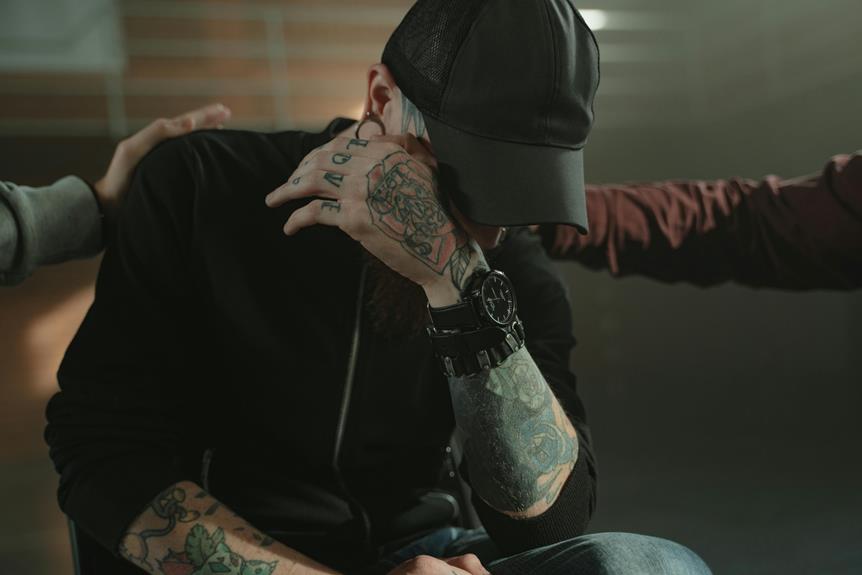
After losing his wife, John found solace in grief counseling services that provided the support he needed to process his emotions. These services don't just help you navigate through the pain; they offer structured environments for healing, whether through individual therapy, group sessions, or even art therapy. By teaching you effective coping mechanisms and fostering emotional resilience, grief counselors play an essential role in helping you regain balance. With both in-person and online options available, finding the right support tailored to your unique situation becomes manageable. So, how do you choose the best approach for you?
Benefits of Grief Counseling
How can grief counseling make a difference in your life? When you're traversing the turbulent waters of loss, grief counseling offers a lifeline. It provides you with a structured environment where grief processing becomes manageable. Instead of feeling overwhelmed, you gain tools to understand and express your emotions, transforming confusion and pain into clarity and healing.

By participating in grief counseling, you develop emotional resilience. This isn't about forgetting your loss but about building strength to move forward. You'll find yourself better equipped to handle future challenges, not just related to grief, but in other aspects of your life. Grief counseling teaches you coping mechanisms that fortify your emotional well-being.
Moreover, grief counseling fosters a sense of connection. Knowing you're not alone can be incredibly comforting. In these sessions, you can share your experiences and hear from others who understand what you're going through. This mutual support can be a powerful catalyst for healing.
For those dedicated to serving others, understanding the benefits of grief counseling can empower you to guide individuals through their darkest times. By supporting their grief processing and encouraging emotional resilience, you become a beacon of hope and strength.
Types of Grief Counseling
Grief counseling comes in various forms, each tailored to meet different needs and preferences. Individual therapy offers one-on-one sessions, focusing on your unique experiences and emotions. It's particularly useful for addressing anticipatory grief, which occurs before a loss, allowing you to prepare emotionally.
Group therapy, on the other hand, provides a supportive community where you can connect with others facing similar challenges. Sharing stories and listening to others can be incredibly healing.
For those dealing with complicated grief, where feelings of loss are debilitating and long-lasting, specialized approaches are necessary. Cognitive-behavioral therapy (CBT) helps reframe negative thoughts and behaviors, guiding you towards a healthier coping mechanism.
Art therapy can also be a powerful tool, allowing you to express feelings that might be difficult to put into words.
Family therapy is another valuable option, particularly when a family unit is grieving together. It fosters open communication, helping family members support each other through the grieving process.
Online counseling is increasingly popular, offering flexibility and privacy for those who prefer or need remote support. With these varied types of grief counseling, you can find the approach that best supports your journey through loss.
Finding a Grief Counselor
Finding the right grief counselor starts with researching local experts who specialize in the type of support you need.
Make certain to check their credentials thoroughly to guarantee they're qualified.
Evaluating your compatibility early on is essential, so don't hesitate to ask questions and trust your instincts.
Research Local Experts
When you're traversing the difficult journey of loss, connecting with a knowledgeable grief counselor can be an essential step toward healing.
To find the right professional, start by exploring local resources and grief networks. These avenues can guide you to experts who understand your community's unique needs and can offer personalized support.
To begin your search effectively, consider the following steps:
- Consult Local Directories: Many communities have directories of mental health professionals. Look for those who specialize in grief counseling.
- Reach Out to Grief Networks: Organizations and support groups often have lists of recommended counselors. These networks are invaluable for finding someone who comes highly endorsed by others who've been in your shoes.
- Ask for Recommendations: Don't hesitate to ask friends, family, or colleagues if they know of any reputable grief counselors. Personal referrals can often lead you to trusted professionals.
Check Credentials Thoroughly
As you gather recommendations and explore local directories, it's important to ascertain that any potential grief counselor you consider has the proper credentials.
Credential verification confirms that the counselor has met specific educational and professional standards, which is vital for providing competent and ethical support during such a vulnerable time.
Start by checking if the grief counselor holds a valid license in your state. This licensing confirms that they've completed the necessary training and have passed a rigorous examination.
Look for qualifications such as a Master's degree in counseling, social work, or psychology, and additional certifications in grief counseling or bereavement support.
Don't hesitate to ask potential counselors about their experience and expertise in handling grief and loss. Genuine professionals will appreciate your diligence and will be transparent about their qualifications.
You can also verify their credentials through professional organizations like the American Counseling Association or the National Board for Certified Counselors.
Assess Compatibility Early
The journey of finding the right grief counselor is deeply personal, and evaluating compatibility early on can make a significant difference in your healing process.
During your initial consultations, it's crucial to assess whether the counselor's approach and style resonate with your needs. Look for signs that they can create a safe, non-judgmental space where you feel comfortable sharing your emotions.

An effective way to gauge compatibility is by considering the following:
- Communication Style: Does the counselor listen actively and empathetically? Are they able to articulate their thoughts clearly and compassionately?
- Shared Experiences: While not always necessary, a counselor who's personal or professional experience with similar grief situations can offer deeper understanding and insights.
- Therapeutic Techniques: Make sure their methods align with what you find helpful, whether it's talk therapy, cognitive-behavioral techniques, or creative expression.
Individual Therapy Sessions
In individual therapy sessions, you'll receive a personalized healing plan tailored to your unique needs.
You'll explore emotional support strategies that can help you navigate your grief more effectively.
Additionally, you'll learn coping mechanisms to manage your emotions and regain a sense of balance.
Personalized Healing Plans
Every individual's journey through grief is unique, and that's why personalized healing plans are essential in individual therapy sessions.
When you're offering grief counseling, it's important to recognize that each person's experience with loss is different. Personalized healing plans cater to these differences, allowing for personal growth and meaningful healing journeys.
By tailoring therapy sessions, you can address specific needs and emotions. This approach guarantees that clients feel understood and supported.
Here are three key components for creating effective personalized healing plans:
- Assessment of Needs: Start by evaluating the client's emotional, mental, and physical state. This helps in identifying the unique challenges they're facing.
- Setting Specific Goals: Collaborate with the client to establish clear, achievable goals. This can include improving emotional regulation, finding new coping mechanisms, or enhancing personal growth.
- Regular Review and Adjustment: Continually assess the progress and make necessary adjustments to the plan. This guarantees the healing journey remains relevant and effective.
Emotional Support Strategies
Steering through the pain of loss can feel overwhelming, but you're not alone. Individual therapy sessions can provide a safe space for you to express your emotions and start your healing journey.
These sessions focus on personalized emotional support strategies tailored to your unique experience. By working closely with a trained therapist, you can explore your feelings and develop self care practices that nurture your well-being during this challenging time.
In these sessions, you'll learn to build emotional resilience. Your therapist will guide you through techniques to manage and process grief, helping you understand that it's okay to feel a wide range of emotions.
Together, you'll work on strategies to strengthen your coping skills and regain a sense of control over your life.
Engaging in regular self care practices, such as mindfulness or journaling, can also be an integral part of your therapy. These practices not only support your emotional health but also empower you to find moments of peace and clarity amidst the turmoil.
Coping Mechanism Development
Steering through the complexities of grief often requires the development of effective coping mechanisms tailored to your personal journey.
Individual therapy sessions can provide a structured environment to explore and cultivate these strategies. By engaging in one-on-one counseling, you can focus on specific techniques that resonate with your unique experience.
Here are three essential coping mechanisms to contemplate:
- Journaling Techniques: Writing down your thoughts and emotions can serve as a therapeutic outlet. It allows you to process your grief in a tangible way and can help track your progress over time.
- Mindfulness Practices: Incorporating mindfulness into your daily routine helps you stay grounded. Techniques such as deep breathing, meditation, and guided imagery can provide moments of peace and clarity during turbulent times.
- Personalized Action Plans: Collaborating with your therapist to develop a tailored action plan can give you a sense of control. This plan may include setting small, achievable goals to foster a sense of accomplishment and direction.
Group Therapy and Workshops
Group therapy and workshops offer a supportive environment where you can share your grief with others who understand what you're going through. By participating in these sessions, you'll find that you're not alone in your journey. These gatherings can help you build strong support networks, which are vital for emotional healing.
When you connect with others who've experienced similar losses, you create a community of empathy and understanding.
In these sessions, you'll engage in various healing activities designed to facilitate your emotional recovery. These activities might include group discussions, creative expression, and mindfulness exercises. Each activity is carefully chosen to help you process your feelings and find paths to healing.
You'll discover that sharing your experiences and listening to others can be incredibly therapeutic.
Workshops often provide you with practical tools and strategies for coping with grief. Expert facilitators guide you through the process, offering professional insights and emotional support.
These sessions are structured to guarantee that you leave with a better understanding of your grief and how to manage it. By participating in group therapy and workshops, you're taking an important step towards healing and personal growth.
Online Grief Counseling Services
While group therapy and workshops offer valuable in-person support, online grief counseling services provide an accessible alternative for those who may not be able to attend physical sessions.
These virtual support options allow you to connect with professional counselors and peers from the comfort of your own home, making it easier to integrate support into your daily life.
Online grief counseling services offer several advantages:
- Accessibility: Whether you're dealing with mobility issues, a busy schedule, or geographical constraints, digital resources guarantee you can still receive the help you need.
- Anonymity: Virtual support can feel less intimidating, allowing you to open up at your own pace without the pressure of face-to-face interactions.
- Flexibility: With various platforms and scheduling options, you can find a service that fits seamlessly into your lifestyle, guaranteeing consistent and timely support.
Conclusion
Imagine standing at the edge of a vast, turbulent ocean, feeling overwhelmed by waves of grief. Grief counseling acts as your lighthouse, guiding you through the storm with compassion and expertise. By embracing these services, you'll find a safe harbor where you can heal and rebuild. Whether through individual sessions, group support, or online platforms, there's a path tailored just for you. Take that first step toward peace and emotional resilience; you're not alone.