Yes, you can send a living plant instead of cut funeral flowers. Living plants provide long-term sustainability, engage in carbon sequestration, and symbolize life’s continuity. Peace lilies, for example, are low-maintenance, thrive in low-light, and offer air-purifying benefits, embodying peace and resilience.
Opting for living plants also fosters enduring memories and emotional connections, creating a lasting tribute.

When choosing a plant, consider logistics, care requirements, and the recipient’s lifestyle. Succulents, flowering shrubs, and hardy species make excellent choices. To guarantee a successful delivery and lasting impact, plan meticulously and select suitable varieties and sizes for the recipient’s environment.
Feasibility of Sending Living Plants
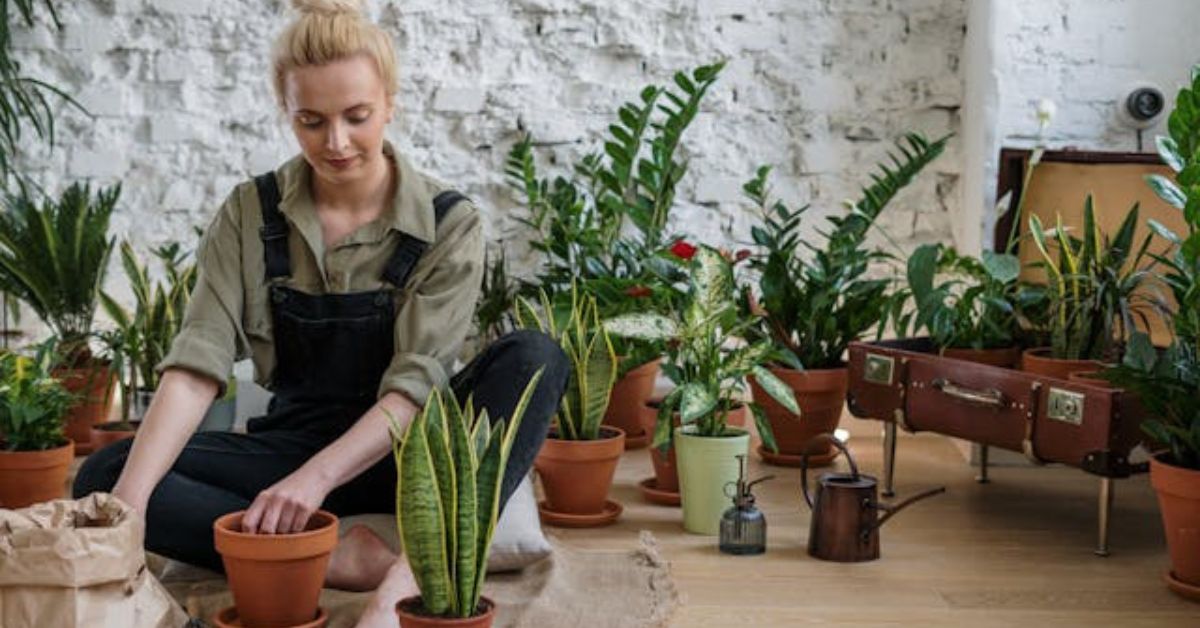
Evaluating the feasibility of sending living plants to funerals requires considering factors such as the botanical health of the plants, the logistics of transportation, and the environmental conditions.
First, you need to assess the importance angle. Living plants offer a longer lifespan compared to cut flowers, contributing to a more sustainable choice. They continue to absorb carbon dioxide and produce oxygen, enhancing their ecological value. This aspect can be particularly appealing to families who prioritize eco-friendly practices.
Next, you must examine the logistics of transportation. Living plants are more susceptible to damage during transit due to their root systems and need for consistent hydration. Ensuring they arrive in pristine condition is vital. You’d need to use specialized packaging that maintains soil integrity and moisture levels, which could be costlier than shipping cut flowers.
Lastly, consider the environmental conditions at the funeral location. Factors like temperature, light exposure, and humidity can have a significant impact on the plant’s health.
You should conduct a thorough cost comparison to determine if the initial higher investment in living plants pays off in long-term benefits, such as reduced need for replacements. Ultimately, while the upfront costs might be higher, the sustainability and lasting presence of living plants could offer a meaningful tribute.
Environmental Benefits
By opting for living plants, you not only contribute to a more sustainable ecosystem but also support carbon sequestration and oxygen production, which are essential for environmental health. Living plants engage in photosynthesis, a process where they absorb carbon dioxide and release oxygen. This action greatly mitigates your carbon footprint, helping to counteract the adverse effects of climate change.
Additionally, sending living plants aids in habitat preservation. Many plants can be repotted and integrated into gardens or natural settings, providing shelter and food for various species. This act of sending living plants instead of cut flowers can bolster local biodiversity, fostering a healthier and more stable ecosystem.
Moreover, the continuous growth of living plants offers long-term environmental benefits. Unlike cut flowers, which decay and release carbon dioxide back into the atmosphere, living plants continue to sequester carbon over their lifespan. This ongoing process of carbon absorption and oxygen production makes living plants a more ecologically responsible choice.
Emotional Impact
You’ll find that living plants at funerals symbolize the continuity of life, offering a profound representation of enduring memory.
Unlike cut flowers, plants have longevity, providing a lasting reminder of the loved one and contributing to long-term emotional healing.
Their botanical properties also release aromatic compounds, which can enhance comfort and reduce stress through sensory interaction.
Symbolism of Life
Sending living plants to funerals symbolizes the enduring nature of life and provides a tangible representation of ongoing growth and renewal amidst loss. This practice taps into the profound growth symbolism inherent in plants. Unlike cut flowers, which represent a finite and transient beauty, living plants embody the entire life cycle—from germination to maturation, and even dormancy and rebirth. When you offer a living plant, you’re giving a continuous reminder of life’s resilience and the potential for renewal.
Botanically, a plant’s ability to photosynthesize, grow, and respond to environmental stimuli emphasizes its dynamic existence. Photosynthesis, the process by which plants convert light into energy, serves as a metaphor for finding light even in the darkest times. The plant’s roots, anchoring it firmly in the soil, mirror the deep emotional connections to loved ones that sustain us. Leaves and flowers, continuously emerging and falling, illustrate the cyclical nature of life and death.
You serve others by choosing living plants, offering them a symbol of hope and continuity. In times of grief, this enduring botanical presence can provide solace, reminding us that life, in various forms, persists and evolves.
Longevity of Memory
Living plants at funerals create a lasting tribute, serving as a perennial reminder of the deceased and fostering an enduring emotional connection through their continuous growth and presence. Unlike cut flowers, which have a limited lifespan, living plants symbolize an ongoing legacy. When you choose to incorporate living plants into memory gardens, you’re not just honoring the deceased; you’re creating a dynamic, evolving tribute that can be nurtured over time.
Memory gardens, composed of these enduring botanical specimens, offer a tangible way to remember and celebrate a loved one. The act of tending to these plants can help maintain a perpetual bond, as each new leaf and blossom serves as living proof of the life that was. This practice transforms a simple gesture of condolence into a long-term heritage tribute. The continuous care and observation of the plant’s growth provide a recurring opportunity for reflection and remembrance.
In botanical terms, plants like perennials, shrubs, and trees are highly recommended for these purposes due to their longevity and resilience. By selecting appropriate species, you secure that the tribute thrives, thereby extending the emotional impact and perpetuating the memory of the deceased for years to come.
Healing and Comfort
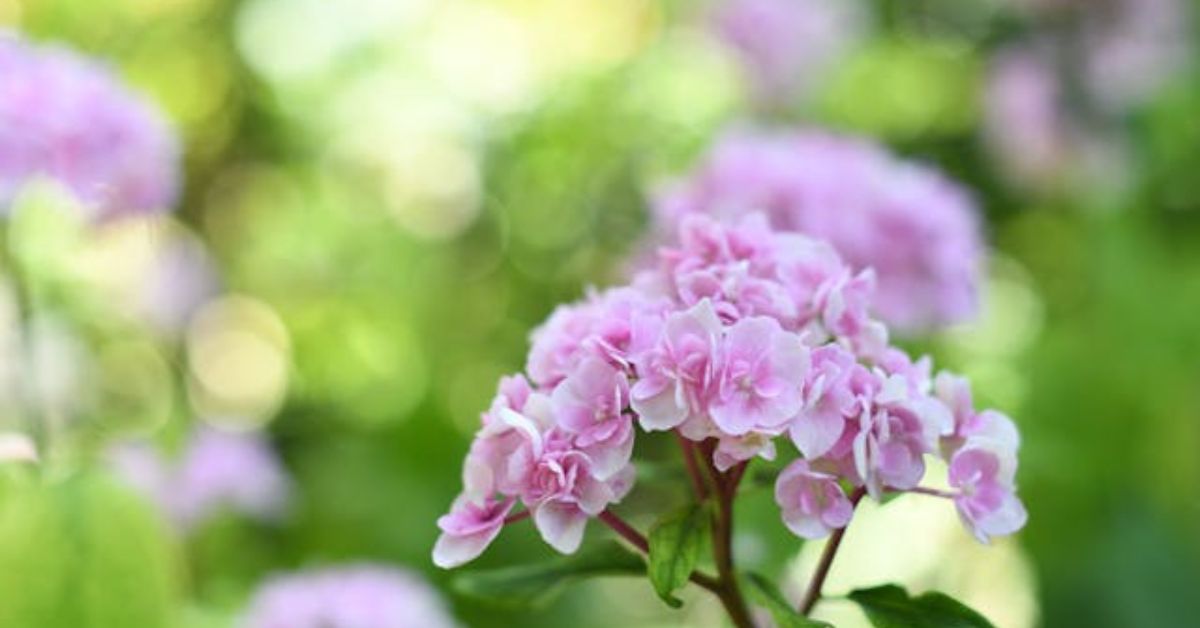
Incorporating living plants into funeral arrangements can greatly contribute to emotional healing and comfort by fostering a sense of continuity and growth amidst loss. The inherent life cycle of plants symbolizes resilience and regeneration, offering a tangible representation of hope and renewal.
Unlike cut flowers, which wither and fade, living plants provide a constant, nurturing presence that can be tended to and observed over time, reinforcing the comfort benefits through their enduring vitality.
Studies have shown that interaction with plants can reduce stress and promote mental well-being. Engaging in the care of a living plant activates a nurturing response, thereby facilitating emotional healing. This botanical engagement allows mourners to channel their grief into a productive and life-affirming activity, creating a living tribute that evolves and flourishes as a sign of the memory of the deceased.
Additionally, the practice of caring for a plant can establish a routine that provides structure and purpose during a period of emotional upheaval. By integrating living plants into funeral arrangements, you offer a sustainable source of comfort that extends far beyond the immediate aftermath of loss, nurturing both the spirit and the environment.
Types of Suitable Plants
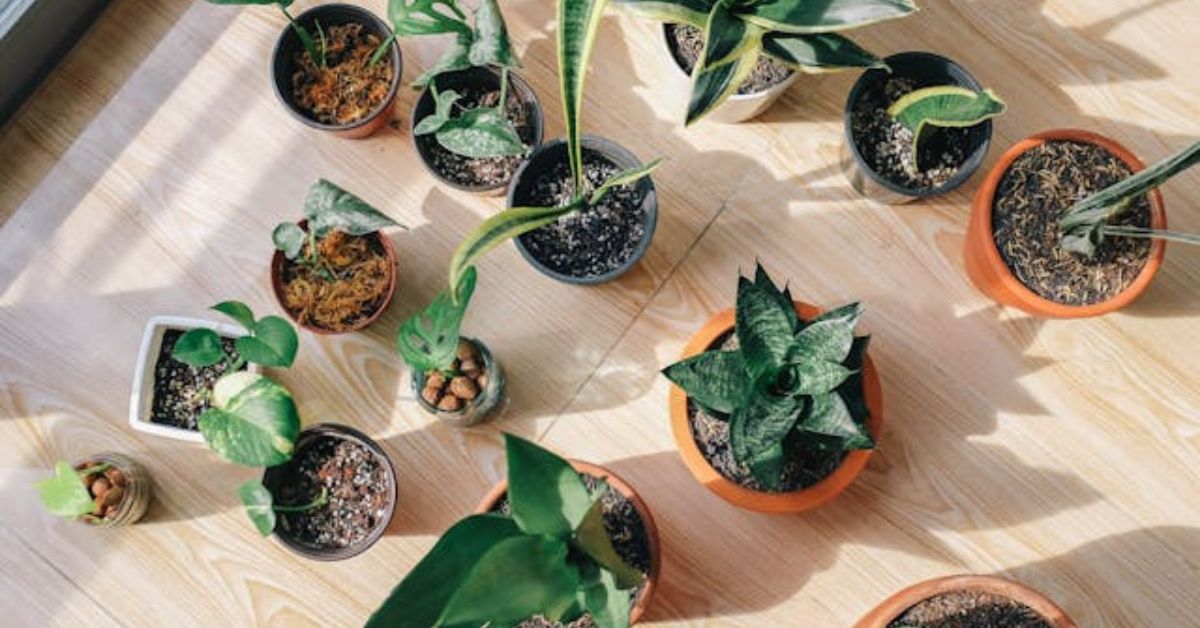

Orchids, with their long-lasting blooms and elegant appearance, make an excellent choice for funeral arrangements. Their intricate floral structures and the diversity of species, such as Phalaenopsis and Dendrobium, offer both aesthetic appeal and symbolic representation of love, beauty, and strength. Orchids can thrive indoors with minimal care, making them a sustainable alternative to cut flowers.
If you’re considering succulent varieties, they provide a unique, resilient option. Succulents, like Echeveria and Haworthia, have evolved to retain water in arid environments, symbolizing endurance and eternal love. Their low maintenance requirements and ability to flourish in various conditions make them ideal for those who may not have a green thumb but still wish to honor a loved one with a living tribute.
Peace lilies (Spathiphyllum spp.) are another popular choice due to their lush foliage and elegant white spathes. They’re known for their air-purifying qualities, adding a sense of tranquility and purity to any space. Peace lilies thrive in low-light conditions and symbolize peace and hope, making them particularly fitting for memorial settings.
Their broad, glossy leaves and delicate flowers create a serene atmosphere, offering comfort to grieving individuals.
Practical Considerations
When sending living plants for funerals, you should consider plant care essentials such as light requirements and watering needs.
Choose species that are both resilient and low-maintenance, guaranteeing they thrive in various environments.
Plant Care Essentials
Caring for living plants sent to funerals requires understanding their specific light, water, and temperature needs to guarantee they thrive and serve as lasting tributes.
You need to establish a consistent watering schedule tailored to the plant species. Some plants, like succulents, need infrequent watering, while others, such as peace lilies, prefer consistently moist soil. Make sure you’re neither overwatering nor underwatering, as both can lead to root rot or dehydration.
Light requirements vary greatly among plants. Evaluate the plant’s natural habitat: succulents and cacti, for example, thrive in bright, direct sunlight, whereas ferns and certain flowering plants flourish in indirect or low light conditions. Position the plant accordingly to mimic its preferred environment.
Temperature stability is important. Most houseplants prefer temperatures between 65-75°F (18-24°C). Sudden temperature fluctuations or drafts can stress the plant, leading to poor health. Additionally, good air circulation helps prevent fungal infections and pest infestations.
Suitable Plant Choices
Selecting the right plants for funerals hinges on understanding their symbolic meanings and practical care requirements, guaranteeing they offer comfort and longevity. Indoor succulents, for instance, are excellent choices due to their low maintenance and symbolic representation of enduring love and strength. Varieties such as Echeveria and Jade Plant are resilient and thrive with minimal watering, making them ideal for indoor environments. Their compact size also allows for easy placement in various home settings.
Flowering shrubs, on the other hand, bring vibrant color and a sense of renewal to a grieving family. Azaleas and Camellias, known for their stunning blooms and lush foliage, are popular selections. Azaleas signify temperance and patience, while Camellias symbolize admiration and perfection. These shrubs require moderate care, including regular watering and adequate sunlight, but their lasting presence serves as a living tribute to the deceased.
When choosing plants, consider the recipients’ ability to care for them. Opt for hardy species that align with their lifestyle and environment. By selecting appropriate indoor succulents and flowering shrubs, you guarantee the plant not only survives but thrives, providing ongoing solace and remembrance.
Delivery Logistics Explained
Guaranteeing the successful delivery of living plants for funerals involves meticulous planning and coordination to maintain their health and appearance. First, you’ll need to contemplate ideal packaging options. Use breathable, moisture-retentive materials to prevent dehydration and mechanical stress. Containers should be sturdy yet lightweight, minimizing the risk of damage during transit. Ensure the plant’s root system is secure, using soil or hydrogel to maintain moisture levels.
Next, focus on delivery timelines. Living plants require prompt delivery to preserve their vitality. Aim for a delivery window of 24-48 hours from dispatch to reception. You might want to collaborate with courier services that specialize in botanical logistics, as they understand the specific needs of live plants. Opt for climate-controlled transport if possible, to protect plants from temperature extremes.
Additionally, you’ll need to provide care instructions to the recipient. Explain how to acclimate the plant to its new environment, focusing on light, water, and temperature requirements.
By addressing these practical considerations, you guarantee the plant arrives in optimal condition, ready to offer a lasting tribute.
This detailed approach ensures that living plants serve as enduring symbols of comfort and remembrance.
How to Choose the Right Plant
When selecting the right plant for a funeral, consider the symbolic meanings and environmental requirements of each species to guarantee it thrives and conveys the intended sentiment. Start by evaluating the plant size; larger plants like Ficus elastica (Rubber Plant) command a strong visual presence, symbolizing resilience and eternal life.
In contrast, smaller plants such as Chamaedorea elegans (Parlor Palm) are more understated, evoking peace and tranquility.
Next, consider the pot design. Opt for understated, elegant containers that match the decor and sentiment of the occasion. A classic ceramic pot in muted tones can seamlessly integrate into various settings, while a biodegradable pot offers an environmentally friendly choice, aligning with sustainable practices.

Think about the plant’s light and water requirements. For example, Zamioculcas zamiifolia (ZZ Plant) thrives in low light and requires minimal watering, making it ideal for indoor settings with limited natural light.
Conversely, Anthurium andraeanum (Flamingo Flower) needs brighter, indirect light and more frequent watering.
Additionally, ponder the plant’s longevity and care complexity. Hardy plants like Sansevieria trifasciata (Snake Plant) require less maintenance, ensuring they continue to flourish long after the funeral.
Conclusion
So, think of sending a living plant as your own small act of botanical heroism. By choosing a thriving green companion over ephemeral blooms, you’re not just offering comfort—you’re making an environmentally conscious decision.
Remember Pandora’s box? Hope was the last thing left inside, and a living plant symbolizes enduring hope and growth.
Select wisely, considering light, water, and space requirements, and you’ll provide a lasting tribute that continues to flourish.